
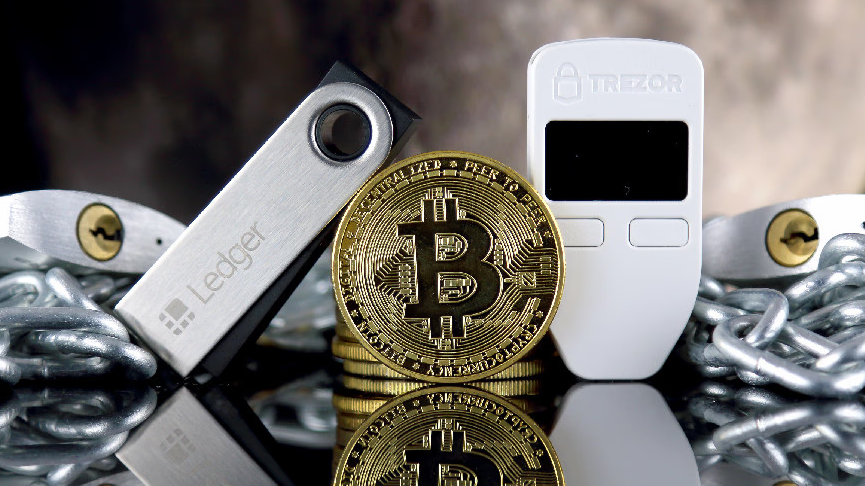
If you own Bitcoin or are planning to buy it, there is one question that matters more than anything else: where should you store it safely? Surprisingly, this is also where most beginners make critical mistakes that can cost them everything.
In 2026, the technology around Bitcoin storage has improved significantly, but the core principle remains the same: if you do not control your private keys, you do not truly own your Bitcoin.
This guide will walk you through the safest ways to store Bitcoin, the mistakes to avoid, and how to protect your digital wealth like someone who actually understands the system.
Why Storing Bitcoin Properly Is So Important
Unlike traditional banks, Bitcoin does not offer customer support if something goes wrong. There is no password reset, no fraud department, and no way to reverse transactions.
That means security is entirely your responsibility.
Every year, millions of dollars worth of Bitcoin are lost due to:
- Poor security practices
- Exchange hacks
- Forgotten passwords
- Scams and phishing attacks
The difference between someone who loses their Bitcoin and someone who keeps it safe is usually knowledge and preparation.
Understanding Wallets: The Basics You Need
A Bitcoin wallet does not actually store your Bitcoin. Instead, it stores your private keys, which give you access to your funds on the blockchain.
There are two main categories of wallets:
- Custodial wallets (you do not control your keys)
- Non-custodial wallets (you control your keys)
Custodial wallets are typically provided by exchanges. They are convenient, but they come with risks. If the platform gets hacked or freezes your account, you could lose access to your funds.
Non-custodial wallets give you full control, which is why they are considered the safer option for long-term storage.
The Different Types of Bitcoin Wallets
Choosing the right wallet depends on your needs, your experience level, and how much Bitcoin you plan to store.
Hot Wallets
Hot wallets are connected to the internet. They are easy to use and ideal for small amounts or frequent transactions.
Examples include mobile apps and browser-based wallets.
Pros:
- Easy access
- Beginner-friendly
- Quick transactions
Cons:
- More vulnerable to hacks
- Less secure for large amounts
Cold Wallets
Cold wallets are offline storage solutions. They are considered the most secure way to store Bitcoin.
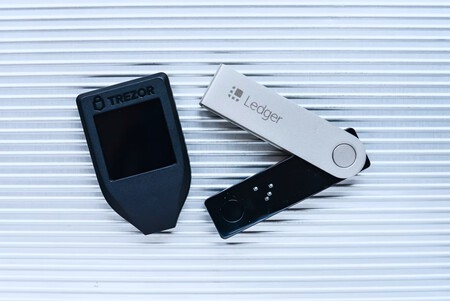
The most common type is a hardware wallet, which is a physical device that stores your private keys offline.
Pros:
- Extremely secure
- Protected from online threats
- Ideal for long-term storage
Cons:
- Requires initial setup
- Slightly less convenient
The Biggest Mistake: Leaving Bitcoin on Exchanges
One of the most common mistakes is keeping Bitcoin on an exchange after buying it. While this is convenient, it also means you are trusting a third party with your funds.
History has shown that even large platforms can fail.
If an exchange gets hacked, goes bankrupt, or restricts withdrawals, you may not be able to recover your Bitcoin.
That is why experienced users follow a simple rule:
“Not your keys, not your coins.”
How to Store Bitcoin Safely Step by Step
If you want to store your Bitcoin properly, follow this process carefully.
First, choose a reliable non-custodial wallet. For beginners, a mobile wallet can be a good starting point, but for higher amounts, a hardware wallet is strongly recommended.
Second, set up your wallet and write down your recovery phrase. This is a list of words that allows you to recover your wallet if you lose access.
This step is critical.
- Never store your recovery phrase online
- Never take a screenshot of it
- Write it down on paper and keep it in a safe place
Third, transfer your Bitcoin from the exchange to your wallet. Always double-check the address before sending.
Finally, test your setup by sending a small amount first. This reduces the risk of making a costly mistake.
Advanced Security Tips Most Beginners Ignore
Once you understand the basics, there are additional steps you can take to improve your security.
Use a hardware wallet if you are storing a significant amount of Bitcoin. This reduces your exposure to online threats.
Consider using multiple wallets instead of storing everything in one place. This way, even if one wallet is compromised, you do not lose everything.
Avoid discussing your holdings publicly. The more people know about your assets, the higher your risk of becoming a target.
Also, be extremely cautious with emails, links, and downloads. Phishing attacks are one of the most common ways people lose their Bitcoin.
Should You Trust Banks or Third-Party Custody?
In recent years, some institutions have started offering Bitcoin custody services. While this may seem safer, it goes against the original purpose of Bitcoin.
Bitcoin was designed to eliminate the need for intermediaries.
While institutional custody may be suitable for some investors, true ownership comes from self-custody.
Finding the Right Balance Between Security and Convenience
Not everyone needs maximum security at all times. The best approach is to find a balance that fits your situation.
For example:
- Small amounts → hot wallet
- Larger savings → cold wallet
- Long-term storage → hardware wallet
This layered approach allows you to stay flexible while protecting your most valuable assets.
Final Thoughts
Storing Bitcoin safely is not complicated, but it does require attention to detail and a basic understanding of how the system works.
The biggest risk is not the technology itself, but human error.
If you take the time to learn, follow best practices, and avoid shortcuts, you can protect your Bitcoin effectively.
Remember, Bitcoin gives you full control over your money. That is its greatest strength, but also its greatest responsibility.
If you treat security seriously from the beginning, you will already be ahead of most people entering the space.