

One of the biggest mistakes beginners make in crypto is thinking they need a complicated strategy to succeed. In reality, most people would benefit much more from a simple, clear, and consistent approach.
In 2026, building a crypto portfolio is easier than ever. The ch
allenge is not access to information, but knowing what to ignore. With so many opinions, trends, and “expert predictions,” it is easy to overcomplicate things.
This guide will show you how to build a simple and effective crypto portfolio, even if you are starting from zero.
What Is a Crypto Portfolio (And Why It Matters)
A crypto portfolio is simply the collection of cryptocurrencies you own.
But more importantly, it reflects your strategy:
- How much risk you are willing to take
- Your investment goals
- Your time horizon
Without a clear portfolio structure, most people end up making random decisions based on emotions or trends.
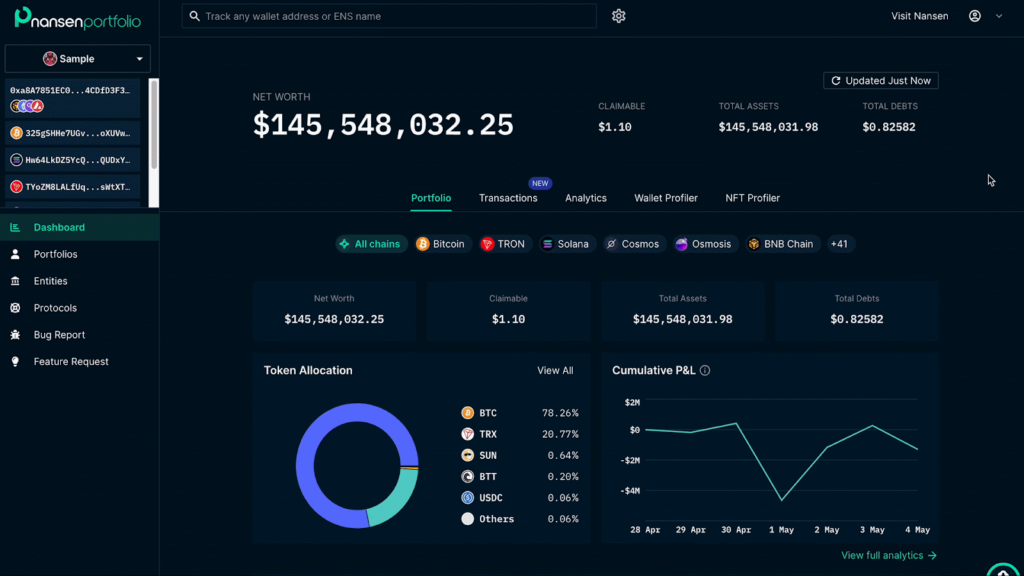
The Goal: Keep It Simple
Before getting into percentages or strategies, it is important to understand one thing:
simplicity beats complexity, especially for beginners
You don’t need 10 different cryptocurrencies. You don’t need advanced trading strategies. You don’t need to constantly adjust your positions.
What you need is a structure that you understand and can stick to.
Step 1: Define Your Objective
Before investing anything, ask yourself:
- Are you investing long-term?
- Are you experimenting and learning?
- Are you looking for steady growth or higher risk?
Your answers will influence how you build your portfolio.
For most beginners, a long-term and learning-focused approach works best.
Step 2: Choose Your Core Assets
Your portfolio should have a strong foundation.
This usually means allocating a significant portion to established cryptocurrencies.
Why?
Because they tend to be more stable (relatively speaking) and have proven their relevance over time.
This core acts as the anchor of your portfolio.
Step 3: Add Limited Exposure to Growth Assets
Once you have a base, you can consider adding a smaller portion to assets with higher growth potential.
These are usually more volatile and carry more risk, but they also offer opportunities for higher returns.
The key here is balance.
Do not overexpose yourself to assets you don’t fully understand.
Step 4: Decide Your Allocation
You don’t need an exact formula, but having a rough structure helps.
A simple beginner-friendly allocation could look like:
- Majority in core, established assets
- Smaller portion in higher-risk opportunities
- Optional percentage in stablecoins for flexibility
This approach helps manage risk while still allowing growth.
Step 5: Use Dollar-Cost Averaging
Instead of investing all your money at once, consider spreading your investments over time.
This strategy is known as Dollar-Cost Averaging (DCA).
Benefits include:
- Reduces the impact of volatility
- Removes the pressure of timing the market
- Encourages consistency
It is one of the simplest and most effective strategies for beginners.
Step 6: Keep It Manageable
A common mistake is creating a portfolio that is too complex.
Managing too many assets can lead to:
- Confusion
- Poor decision-making
- Lack of focus
A smaller portfolio is easier to track, understand, and adjust if needed.
Step 7: Review, But Don’t Overreact
It is good to review your portfolio occasionally, but avoid reacting to every market movement.
Crypto markets are volatile by nature.
Short-term fluctuations are normal and should not drive constant changes in your strategy.
Focus on your long-term plan instead.
Common Mistakes to Avoid
Building a portfolio is simple, but mistakes can still happen.
Here are the most common ones:
- Investing based on hype
- Changing strategy too often
- Over-diversifying
- Ignoring risk management
Avoiding these mistakes is often more important than finding the perfect strategy.
A Realistic Mindset
Crypto is not a guaranteed path to quick profits.
Building a portfolio is about:
- Learning
- Managing risk
- Staying consistent
Results take time, and expectations should reflect that.

Final Thoughts
Building a crypto portfolio in 2026 does not have to be complicated.
In fact, the simpler your approach, the more likely you are to stay consistent and avoid unnecessary mistakes.
Focus on understanding what you own, keep your strategy clear, and avoid the noise that surrounds the crypto space.
Because in the long run, success is not about making perfect decisions.
It is about making good decisions consistently.