
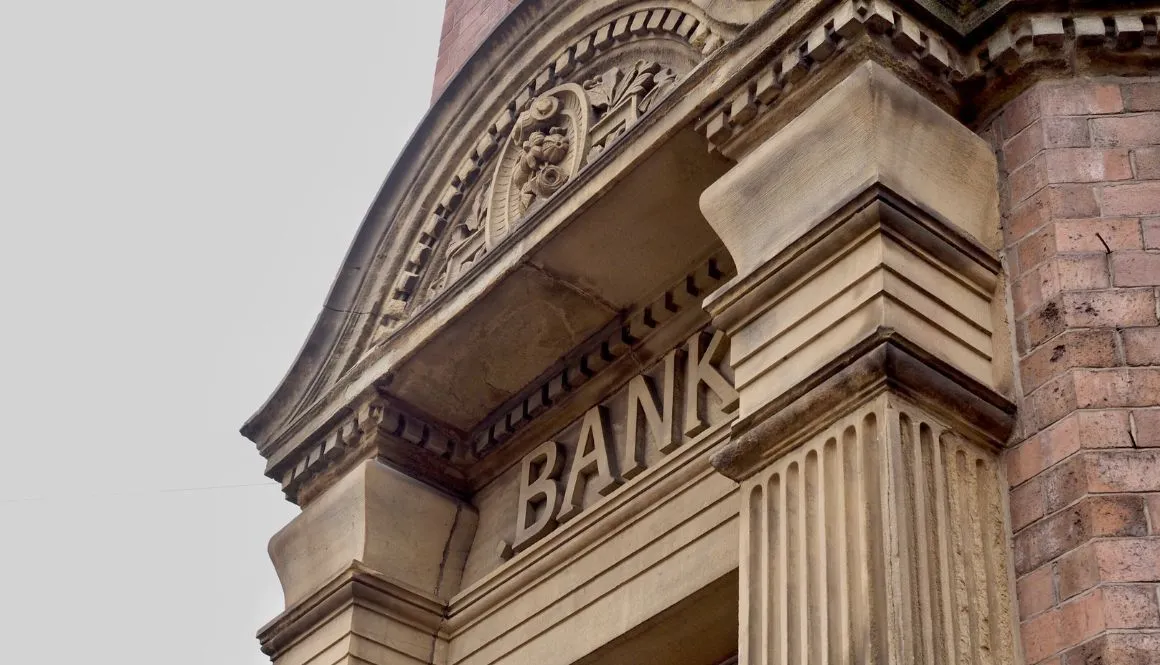
For decades, traditional banking has been the foundation of the global financial system. People trust banks to store their money, process transactions, and provide financial services.
However, the rise of Bitcoin has introduced a new way of thinking about money. In 2026, more people are beginning to question whether traditional banking is still the best option.
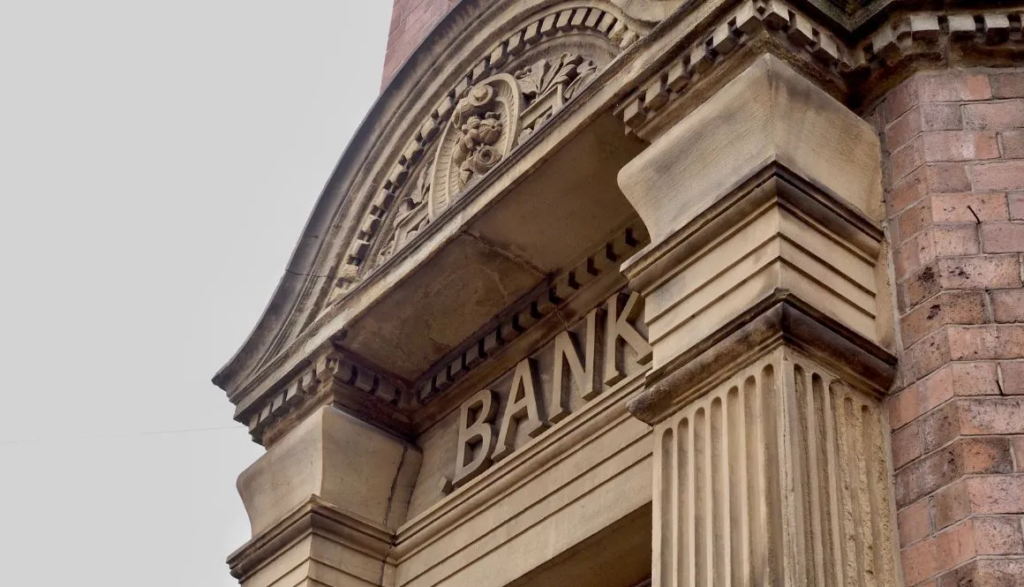
How Traditional Banking Works
Banks operate as intermediaries. When you deposit money, you are trusting the bank to hold and manage your funds.
They facilitate transactions, offer loans, and provide financial infrastructure. While this system is convenient, it also comes with limitations.
For example, banks can restrict access to funds, charge fees, and operate within specific hours and jurisdictions.
How Bitcoin Changes the Model
Bitcoin removes the need for intermediaries. Instead of relying on a central institution, transactions are verified by a decentralized network.
This means that users can send and receive money directly, without needing permission from a bank.
The key idea is financial sovereignty, where individuals have full control over their own assets.
Key Differences That Matter
One of the biggest differences is control. With traditional banking, your money is managed by a third party. With Bitcoin, you can control your funds directly.
Another difference is accessibility. Bitcoin operates globally, without restrictions based on location or banking hours.
There is also a difference in transparency. Bitcoin transactions are recorded on a public ledger, making the system more open compared to traditional banking systems.
The Advantages of Traditional Banking
Despite its limitations, traditional banking still offers important benefits.
It provides stability, customer support, and integration with everyday financial services. For many people, this convenience is essential.
Banks also offer protections such as fraud detection and dispute resolution, which are not available in the same way with Bitcoin.
The Advantages of Bitcoin
Bitcoin offers a different set of advantages.
It allows for full ownership of funds, without relying on third parties. This reduces the risk of account freezes or restrictions.
It also enables borderless transactions, which can be faster and more efficient in certain cases.
For some users, the idea of a decentralized system is appealing because it reduces dependence on centralized institutions.
The Trade-Off Between Control and Convenience
The choice between Bitcoin and traditional banking often comes down to a trade-off.
Bitcoin offers control, but requires responsibility. Traditional banking offers convenience, but requires trust in institutions.
Understanding this trade-off is essential when deciding how to manage your money.
Why More People Are Exploring Alternatives
Several factors are driving interest in Bitcoin.
Economic uncertainty, inflation concerns, and increasing digitalization are all influencing how people think about money.
At the same time, younger generations are more open to alternative systems and technologies.
This does not mean that banks will disappear, but it does suggest that the financial landscape is changing.

Can Both Systems Coexist?
Rather than replacing traditional banking entirely, Bitcoin may exist alongside it.
Many people use a combination of both systems, depending on their needs.
For example, they may use banks for everyday transactions and Bitcoin for long-term storage or international transfers.
This hybrid approach allows users to benefit from the strengths of each system.
Final Thoughts
Bitcoin is not just a new asset. It represents a different way of thinking about money and financial control.
While traditional banking remains dominant, the rise of Bitcoin shows that alternatives are possible.
Understanding both systems allows you to make informed decisions about how to manage your finances in an increasingly digital world.