
One of the most overlooked aspects of Bitcoin investing is self-custody. Many new participants assume that leaving coins on an exchange is safe. They believe that large platforms, with their sophisticated security systems, are sufficient to protect assets. History, however, has proven otherwise. Exchange hacks, insolvencies, and regulatory seizures have led to billions of dollars in losses. The lesson is clear: if you don’t control your private keys, you don’t control your Bitcoin.
Self-custody is not just a technical preference. It is a philosophical statement. It aligns directly with the principles that Satoshi Nakamoto embedded into Bitcoin: decentralization, financial sovereignty, and trustlessness.
Why Self-Custody Matters
There are several reasons why self-custody is critical for long-term holders:
- Protection from Exchange Failures
Exchanges can fail due to poor management, hacks, or even regulatory action. When this happens, users risk losing their Bitcoin permanently. Self-custody eliminates this vulnerability because ownership is controlled directly by the holder. - Full Control Over Transactions
With self-custody, you decide when and where to send your Bitcoin. There are no withdrawal limits, freezes, or arbitrary delays. This autonomy is especially important during periods of market stress or geopolitical uncertainty. - Alignment With Bitcoin Principles
Bitcoin was designed to remove the need for intermediaries. Using third-party custody reintroduces counterparty risk. Self-custody respects the ethos of the network, ensuring that ownership is true and verifiable. - Hedge Against Centralized Failures
Centralized services are prone to failures that can ripple across markets. Self-custody allows investors to insulate themselves from systemic risk in exchanges or financial institutions.
Choosing the Right Self-Custody Method
Self-custody is not a one-size-fits-all solution. The main approaches include:
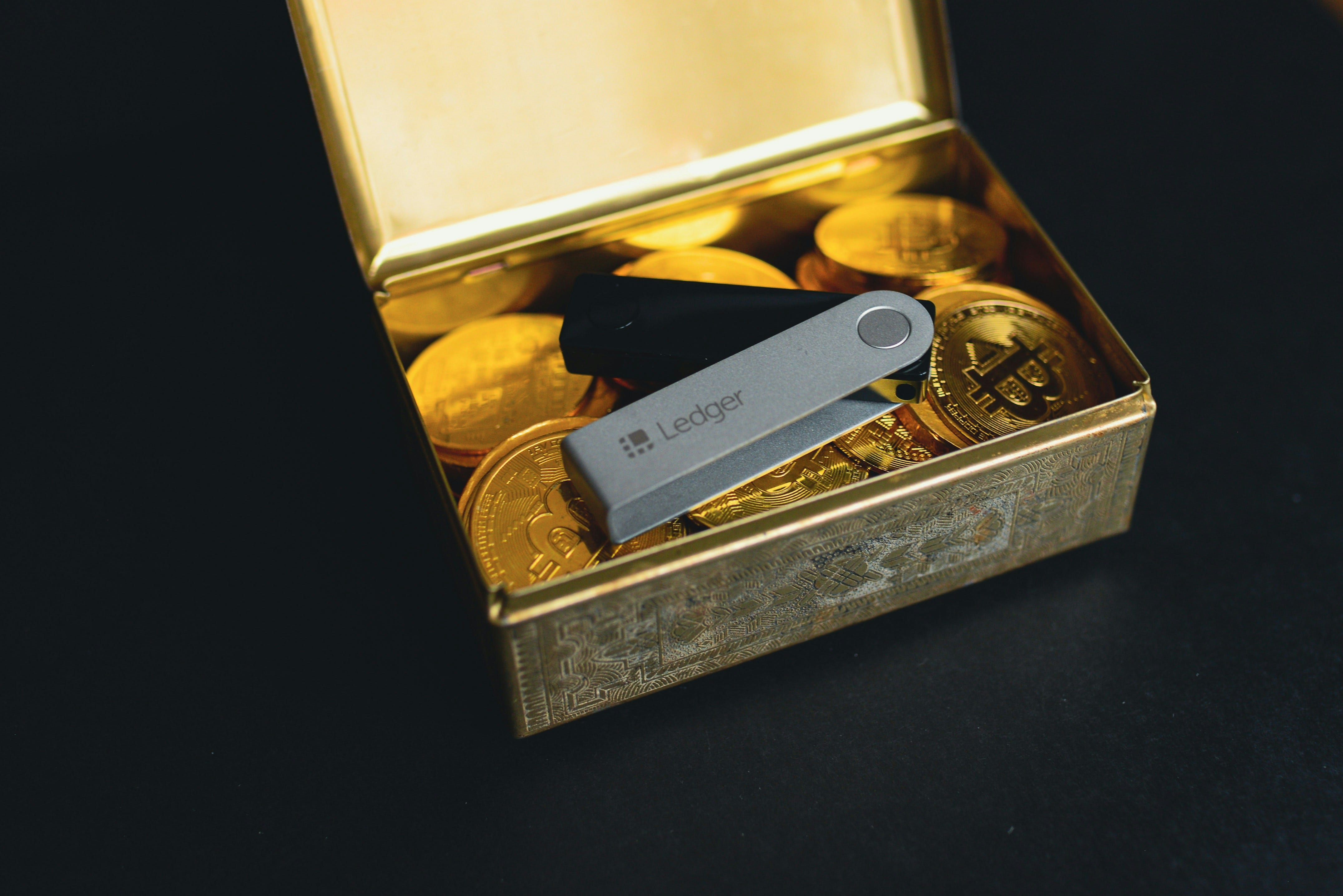
- Hardware wallets: Physical devices that store private keys offline. They are highly secure against digital attacks. Popular models are Trezor and Ledger.
- Software wallets: Applications installed on your computer or phone. They can be convenient but require careful security practices.
- Multisignature wallets: Wallets requiring multiple keys to authorize transactions. They provide an extra layer of security and reduce single-point-of-failure risk.
The key principle is to never share your private keys. Whoever holds the keys controls the coins.
Common Self-Custody Mistakes
Many investors fail at self-custody because they underestimate operational risk. Common mistakes include:
- Poor Backup Practices
Losing access to your private key or seed phrase is equivalent to losing your Bitcoin forever. Backups should be stored securely in multiple locations, preferably offline. - Relying on Cloud Storage
Storing keys in cloud accounts exposes coins to hacking. If an attacker gains access, your Bitcoin is gone. Offline storage is critical. - Neglecting Physical Security
Hardware wallets are only as safe as their physical environment. Theft, fire, or loss can compromise security. Redundant storage in secure locations is recommended.
Avoiding these mistakes ensures that self-custody is truly effective.
The Psychological Benefits of Self-Custody
Beyond security, self-custody provides psychological peace of mind. Knowing that your coins are under your control reduces stress during market turbulence. You are no longer exposed to the emotional swings caused by exchange outages or regulatory changes. This can improve decision-making and strengthen long-term holding discipline.
Self-custody encourages a long-term mindset. Investors who control their keys are more likely to withstand volatility, because they are not dependent on third parties to act.
Best Practices for Long-Term Holders
For investors who intend to hold Bitcoin for years or decades, following best practices is essential:
- Use a hardware wallet for primary storage.
- Create multiple backups of your seed phrase, stored securely in geographically diverse locations.
- Consider multisignature setups for additional security.
- Regularly test recovery procedures to ensure access if needed.
- Minimize online exposure by avoiding software wallets connected to the internet for long-term storage.
These practices reduce operational risk and ensure that your Bitcoin remains secure no matter what happens in the broader market.
Self-Custody and Market Cycles
Self-custody is particularly important during extreme market events. In periods of bear markets, exchanges may face insolvency or increased withdrawal restrictions. In periods of bull markets, sudden price spikes often coincide with network congestion, withdrawal limits, or panic selling. Those who control their keys can act instantly and strategically.
Moreover, self-custody allows holders to participate in layer-two networks, such as the Lightning Network, which require direct control of Bitcoin. Without custody, these opportunities are inaccessible.
The Long-Term Thesis
Bitcoin is a monetary network, not just a speculative asset. Ownership is defined by cryptographic control, not by platform balances. Self-custody reinforces this principle by giving investors true sovereignty over their wealth. It transforms Bitcoin from a financial asset into personal monetary power.
As Bitcoin adoption grows globally, regulatory pressures and exchange restrictions are likely to increase. Those with self-custody will maintain freedom and flexibility, while others may face systemic limitations on access.
Ultimately, self-custody is not optional for serious investors. It is a fundamental aspect of Bitcoin ownership. Without it, the promise of financial sovereignty is compromised.
Final Thoughts
Self-custody is more than a technical step. It is a philosophy aligned with the core principles of Bitcoin: decentralization, scarcity, and trustless ownership. It ensures:
- Protection from exchange failures
- Full control over transactions
- Alignment with Bitcoin’s original vision
- Insulation from systemic or regulatory risks
For long-term holders, self-custody is not just safer — it is essential for maintaining autonomy, security, and peace of mind. The digital age requires investors to think differently about ownership. In Bitcoin, ownership is literal: if you hold the keys, you hold the network.
Those who embrace this reality are positioning themselves to benefit not only from potential price appreciation but from the deeper advantages of true financial sovereignty.