

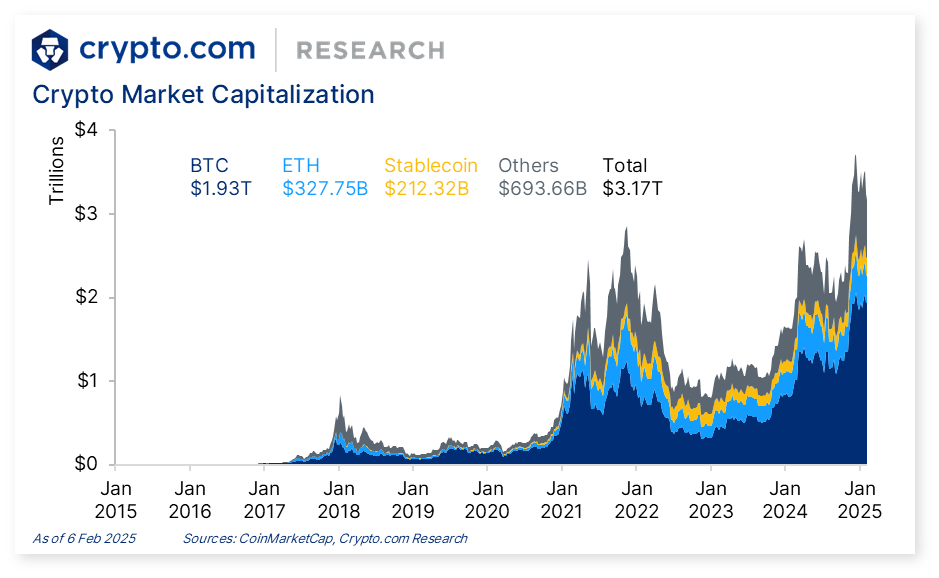
Over the past decade, Bitcoin has evolved from a fringe technology project into a recognized asset class capturing the attention of institutional investors. Initially dismissed as a speculative novelty by traditional finance, it is now increasingly viewed as a legitimate investment vehicle, a hedge against inflation, and a strategic addition to diversified portfolios. The influx of institutional participation has profound implications for the market, influencing liquidity, volatility, infrastructure development, and global adoption. Understanding the dynamics of institutional adoption is critical for both individual and professional investors seeking to position themselves strategically in the Bitcoin ecosystem.
Why Institutions Are Entering Bitcoin
Several factors have contributed to the growing institutional interest in Bitcoin:
- Scarcity and Predictable Supply: Bitcoin’s maximum supply of 21 million coins and halving events create a unique scarcity narrative, making it attractive as a long-term store of value.
- Inflation Hedge: With fiat currencies exposed to monetary expansion and government stimulus programs, institutions increasingly look for assets that preserve value. Bitcoin’s deflationary nature offers a hedge against currency debasement.
- Maturation of Infrastructure: Custody solutions, regulated exchanges, and derivatives markets have reduced barriers for institutional participation, making Bitcoin safer and easier to integrate into portfolios.
- Portfolio Diversification: Bitcoin’s limited correlation with traditional asset classes offers an opportunity to diversify holdings beyond stocks, bonds, and commodities.
Macro factors such as unprecedented global stimulus during the COVID-19 pandemic, rising inflation, and low-interest environments accelerated this trend, drawing attention from hedge funds, family offices, corporate treasuries, and public companies.
How Institutional Adoption Changes the Market
Institutional involvement has transformed the Bitcoin market in several significant ways:
- Liquidity: Large-scale investors contribute liquidity, reducing slippage and improving the efficiency of trading.
- Price Stability: Professional investment strategies and risk management protocols can moderate extreme short-term volatility compared to purely retail-driven markets.
- Credibility and Legitimacy: The presence of institutions signals to regulators, the public, and other investors that Bitcoin is a credible and increasingly mainstream asset.
- Infrastructure Growth: Increased demand drives improvements in custody services, compliance tools, analytics platforms, and secure on-ramps for global capital.
Institutional participation also accelerates Bitcoin’s integration with traditional finance. Products such as Bitcoin ETFs, trust structures, and regulated derivatives allow institutional capital to flow into Bitcoin without direct exposure to private key management, broadening its adoption while maintaining compliance with financial regulations.
Case Studies in Institutional Adoption
Several high-profile examples illustrate the growing influence of institutional players:
- MicroStrategy: Since 2020, the company has invested billions in Bitcoin as part of its treasury reserve strategy, viewing it as a hedge against inflation and currency devaluation.
- Tesla: In 2021, Tesla announced a multi-billion-dollar Bitcoin purchase and briefly accepted Bitcoin for vehicle payments, signaling corporate adoption.
- Grayscale Bitcoin Trust (GBTC): Provides regulated exposure to Bitcoin for investors unable or unwilling to hold private keys directly.
- Fidelity and Goldman Sachs: Large financial institutions have introduced crypto custody and trading services, opening new avenues for institutional participation.
These case studies demonstrate that Bitcoin is no longer solely a retail market phenomenon. Institutions are shaping market dynamics, influencing price behavior, and providing infrastructure that benefits all participants.
Strategic Implications for Investors
For long-term investors, understanding institutional adoption offers strategic advantages:
- Market Timing: Institutional buying patterns often follow macroeconomic trends rather than speculative hype, allowing investors to anticipate demand.
- Long-Term Security: Institutions promote stronger custody solutions and market integrity, reducing systemic risk over time.
- Macro Alignment: Institutional interest often coincides with periods of economic uncertainty, inflationary pressure, or monetary stimulus, reinforcing Bitcoin’s role as a hedge.
- Behavioral Insight: Tracking institutional wallets, accumulation trends, and regulatory filings can provide valuable insights into market sentiment and potential price trajectories.
By aligning investment strategies with institutional trends, investors can move beyond reactive speculation and adopt a more informed, long-term approach.
Challenges and Criticisms
Institutional adoption is not without challenges. Critics argue that:
- Centralization Risk: Large institutional wallets may control a disproportionate share of Bitcoin, potentially influencing market dynamics.
- Regulatory Uncertainty: Governments may impose rules that limit institutional activity or introduce reporting requirements.
- Market Dependence: Increased institutional participation could amplify correlations with traditional financial markets, reducing Bitcoin’s independence as a macro asset.
However, these risks are generally outweighed by the benefits of infrastructure improvement, enhanced liquidity, and long-term market credibility.
The Long-Term Perspective
Institutional adoption signals a shift in Bitcoin’s narrative from speculative novelty to recognized macro asset. This transition reinforces the deflationary scarcity story, enhances security and custody infrastructure, and provides a broader base of informed investors. For long-term holders, institutional involvement should be seen as a positive development, indicating a maturation of the market rather than a threat to its decentralized ethos.
Historically, periods of institutional entry have coincided with significant price appreciation. The combined effects of scarcity, adoption, and macroeconomic factors create conditions favorable for long-term growth. While short-term volatility remains, the presence of professional investors often tempers extreme swings and promotes market stability.
Conclusion
Bitcoin’s journey from niche technology to institutional-grade asset represents one of the most significant transformations in financial history. Institutional adoption brings liquidity, credibility, and infrastructure improvements that benefit both retail and professional investors. It reinforces Bitcoin’s narrative as a scarce, deflationary asset and a hedge against fiat currency risks.
For investors, understanding this dynamic is essential. Institutional adoption provides insight into macro trends, market psychology, and long-term strategy. Bitcoin is no longer a fringe asset—it is a growing component of global finance, recognized for its unique combination of scarcity, decentralization, and potential for wealth preservation. Those who comprehend this transition and position themselves strategically stand to benefit from the structural evolution of the financial system.