
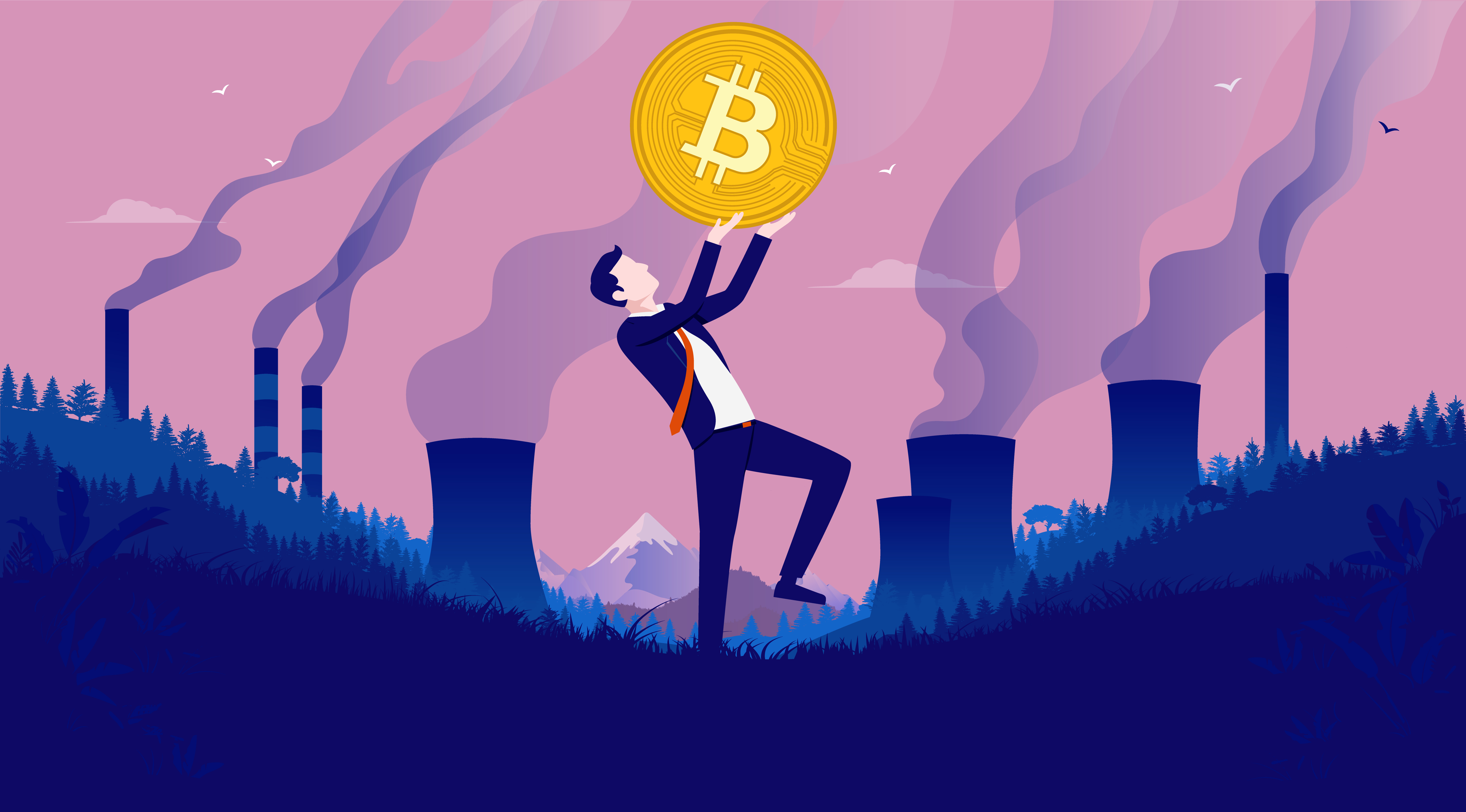
Bitcoin has faced growing scrutiny over its environmental footprint, particularly its energy-intensive mining process. As a decentralized, proof-of-work (PoW) network, Bitcoin mining consumes large amounts of electricity, sparking debates over its sustainability, ecological consequences, and long-term viability. While critics highlight carbon emissions and fossil fuel consumption, innovators and researchers emphasize renewable energy adoption, technological efficiency, and sustainable practices as pathways to mitigating environmental impact. Understanding Bitcoin’s energy dynamics is essential for investors, policymakers, and the broader public seeking a balanced perspective on its ecological and economic implications.
Despite the concerns, Bitcoin’s energy consumption also presents opportunities for renewable energy utilization, stranded energy recovery, and grid optimization, making the cryptocurrency a catalyst for innovation in energy management. Balancing environmental sustainability with network security is one of the most important challenges and opportunities in Bitcoin’s ongoing evolution.
Understanding Bitcoin’s Energy Consumption
Bitcoin mining relies on solving complex cryptographic puzzles through PoW, which ensures network security and transaction verification:
- Proof-of-Work Mechanics: Miners compete to solve mathematical problems, requiring significant computational effort and energy.
- Network Security: The high energy cost is a feature, not a bug, as it protects the blockchain from attacks and double-spending.
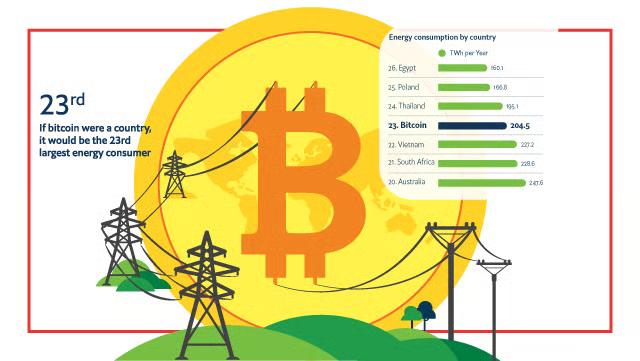
- Global Mining Scale: Bitcoin’s total electricity consumption rivals that of medium-sized countries, raising environmental concerns.
The debate often focuses on the trade-off between network security and ecological responsibility, with critics arguing that high energy usage may outweigh benefits if unsustainable sources dominate.
Renewable Energy in Bitcoin Mining
Increasingly, miners are leveraging renewable energy sources to reduce environmental impact:
- Hydroelectric Power
Countries with abundant hydroelectric energy, such as Iceland and Canada, host mining operations powered primarily by renewable sources. - Solar and Wind Energy
Innovative farms integrate solar panels and wind turbines directly into mining operations, offsetting carbon emissions. - Stranded Energy Utilization
Mining operations capture energy that would otherwise go to waste, including flared natural gas or excess renewable production, turning environmental challenges into productive solutions.
These initiatives demonstrate that Bitcoin mining can become more sustainable while preserving decentralization and network security.
Environmental Criticisms and Responses
Bitcoin has been criticized for its carbon footprint and resource use:
- Carbon Emissions: Mining using fossil fuels contributes to greenhouse gases.
- Energy Inefficiency: High electricity demand for PoW is seen as wasteful compared to other networks.
- Local Resource Strain: Mining operations may compete with residential and industrial energy needs.
However, defenders argue that:
- A large portion of Bitcoin mining already uses renewables.
- Mining incentivizes the development of renewable infrastructure and energy efficiency.
- PoW ensures unparalleled network security, which is difficult to achieve with less energy-intensive alternatives.
This debate highlights the importance of balancing environmental responsibility with decentralized security.
Technological Innovation and Energy Efficiency
Bitcoin mining has evolved to become more energy-efficient:
- ASICs (Application-Specific Integrated Circuits): These specialized devices dramatically reduce energy per hash compared to CPUs or GPUs.
- Cooling and Heat Reuse: Modern mining farms recycle heat for industrial or residential use, enhancing energy efficiency.
- Layer-2 Solutions: Off-chain solutions like Lightning Network reduce on-chain transaction load, indirectly lowering energy usage per transaction.
Innovation in hardware and software continues to reduce the environmental cost of mining while maintaining network integrity.
Case Studies in Sustainable Mining
Iceland and Geothermal Energy
Mining operations in Iceland utilize geothermal and hydroelectric power, demonstrating how renewable energy integration can power large-scale mining while minimizing ecological impact.
United States – Stranded Gas Projects
Some U.S. miners use flared natural gas to power mining rigs, converting otherwise wasted energy into productive activity, reducing environmental harm while maintaining profitability.
Hydro and Solar Integration in Latin America
Projects in Brazil and Argentina integrate mining farms with solar and hydroelectric sources, showing the potential for clean energy scaling alongside Bitcoin adoption.
These examples highlight that environmental responsibility and profitability are not mutually exclusive in mining operations.
Bitcoin, Sustainability, and Policy
Governments and regulators play a crucial role in balancing Bitcoin innovation with environmental concerns:
- Incentives for Renewable Mining
Tax breaks, subsidies, and energy credits encourage miners to adopt clean energy solutions. - Regulatory Oversight
Monitoring carbon emissions and energy sourcing ensures responsible mining practices. - Global Standards
International cooperation on sustainable mining practices can create benchmarks for environmental responsibility in cryptocurrency networks.
Policies aligned with sustainable practices enhance Bitcoin’s legitimacy while fostering innovation in renewable energy sectors.
Environmental Implications Beyond Mining
Bitcoin’s impact extends beyond mining:
- Financial Decentralization: As Bitcoin adoption increases, it may reduce reliance on centralized financial systems with hidden environmental costs.
- Incentivizing Renewable Energy Infrastructure: Mining creates demand for excess renewable capacity, indirectly promoting cleaner energy grids.
- Technology Spillovers: Innovations in energy efficiency, cooling, and grid management benefit other industries beyond cryptocurrency.
Thus, Bitcoin’s environmental footprint is complex and multifaceted, with potential positive effects alongside challenges.
Future of Sustainable Bitcoin Mining
Several trends will shape Bitcoin’s environmental impact in the coming years:
- Full Transition to Renewables: Increasing renewable energy penetration in mining operations will reduce carbon intensity.
- Improved Hardware Efficiency: Next-generation ASICs will continue to reduce energy per hash.
- Integration with Grid Optimization: Miners will serve as energy sinks for excess production, helping stabilize local grids.
- Global Collaboration: Coordinated efforts between miners, regulators, and energy providers will enhance sustainability metrics.
These trends point toward a more sustainable, responsible, and innovative Bitcoin ecosystem.
Final Thoughts
Bitcoin’s environmental impact remains a topic of intense debate, but it is increasingly clear that sustainable innovation is possible. Through renewable energy adoption, energy-efficient hardware, Layer-2 solutions, and responsible regulatory frameworks, mining can maintain network security while minimizing ecological harm.
Bitcoin is not only a financial revolution—it is also a driver for energy innovation, technological advancement, and environmental awareness. By addressing criticisms, embracing sustainability, and promoting clean energy integration, Bitcoin mining can evolve into a responsible, profitable, and globally scalable industry.
The balance between energy consumption and security highlights a broader lesson: decentralized systems require investment, innovation, and responsibility to thrive. Bitcoin’s journey toward environmental sustainability demonstrates that financial innovation and ecological stewardship can coexist, setting the stage for a resilient and responsible digital economy in the 21st century.
Share this article if you want a sustainable and responsible world. Thanks!