
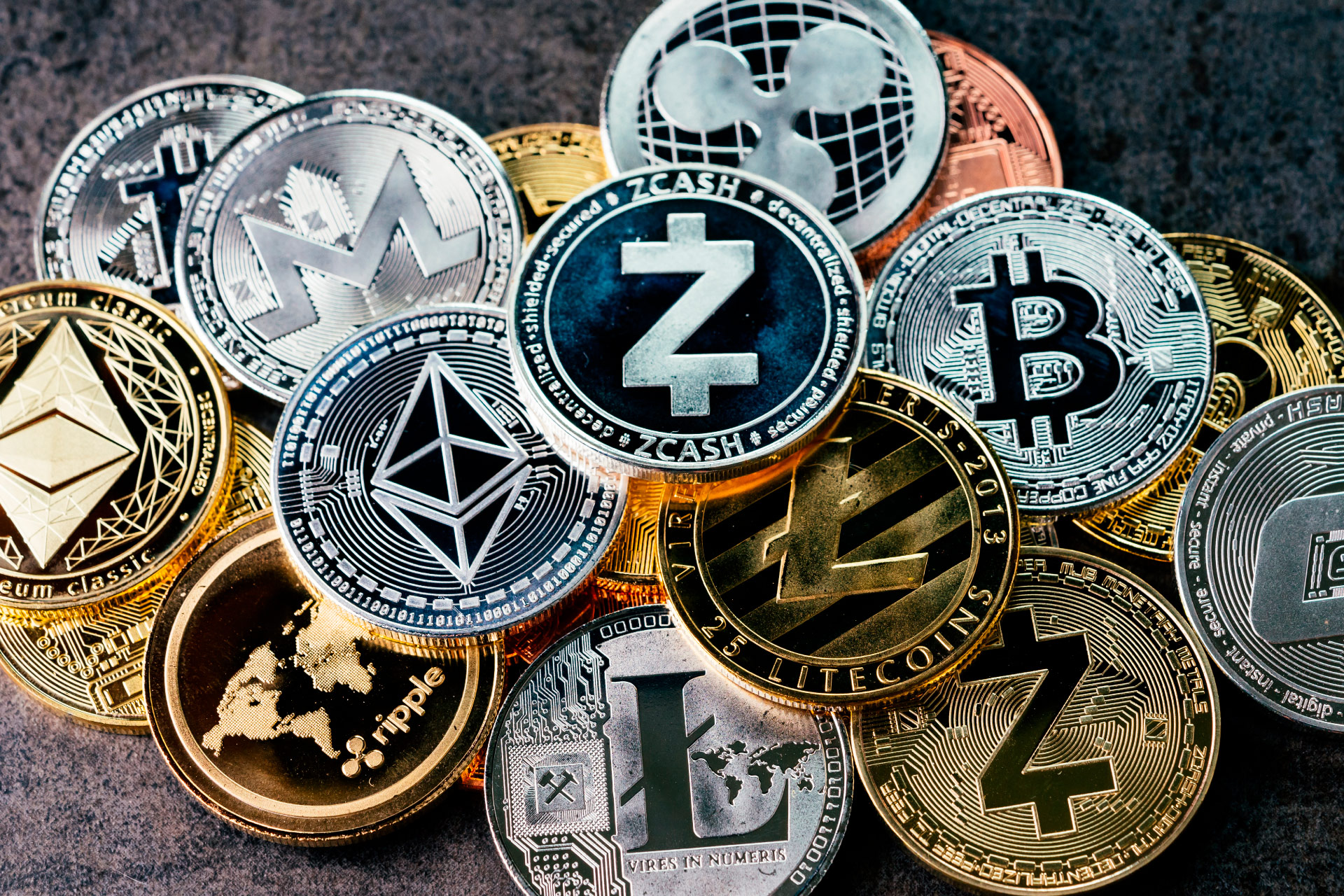
Starting in crypto can feel overwhelming. Thousands of cryptocurrencies exist, each claiming to be the next big thing. For beginners, this creates a dangerous situation: too many choices and not enough clarity.
In 2026, getting started is easier than ever, but also riskier if you don’t know what to focus on. Many new investors lose money not because crypto is complicated, but because they jump into the wrong projects too quickly.
This guide is designed to help you understand which types of cryptocurrencies actually make sense for beginners, and how to approach your first investments in a smarter way.
Why Choosing the Right Crypto Matters
Not all cryptocurrencies are created equal.
Some are established, widely used, and relatively stable compared to the rest of the market. Others are highly speculative, with little real-world use.
As a beginner, your goal should not be to find the next hidden gem. It should be to reduce risk while learning how the market works.
Choosing the right starting point can make a huge difference in your overall experience.

The Types of Cryptocurrencies You Should Know
Instead of focusing on individual coins right away, it is better to understand categories.
This helps you make better decisions without relying on hype.
1. Established Cryptocurrencies
These are the most well-known and widely adopted cryptocurrencies.
They usually have:
- Strong track records
- Large communities
- High liquidity
They tend to be less volatile than smaller projects (although still risky compared to traditional assets).
For beginners, this is often the safest place to start.
2. Platform-Based Cryptocurrencies
These cryptocurrencies power ecosystems where developers can build applications.
They are more complex than basic digital currencies, but they also play a major role in the crypto space.
They can offer strong long-term potential, but require more understanding.
3. Stablecoins
Stablecoins are designed to maintain a stable value, usually tied to a fiat currency.
They are not used for growth, but for:
- Reducing volatility
- Storing value temporarily
- Moving funds between platforms
They are especially useful for beginners who want to stay in crypto without constant price changes.
What Beginners Should Actually Focus On
Instead of chasing trends, focus on building a solid foundation.
Here are the key principles:
- Simplicity over complexity
- Understanding over speculation
- Long-term thinking over short-term hype
You don’t need to invest in many cryptocurrencies to start. In fact, keeping things simple is often the best strategy.
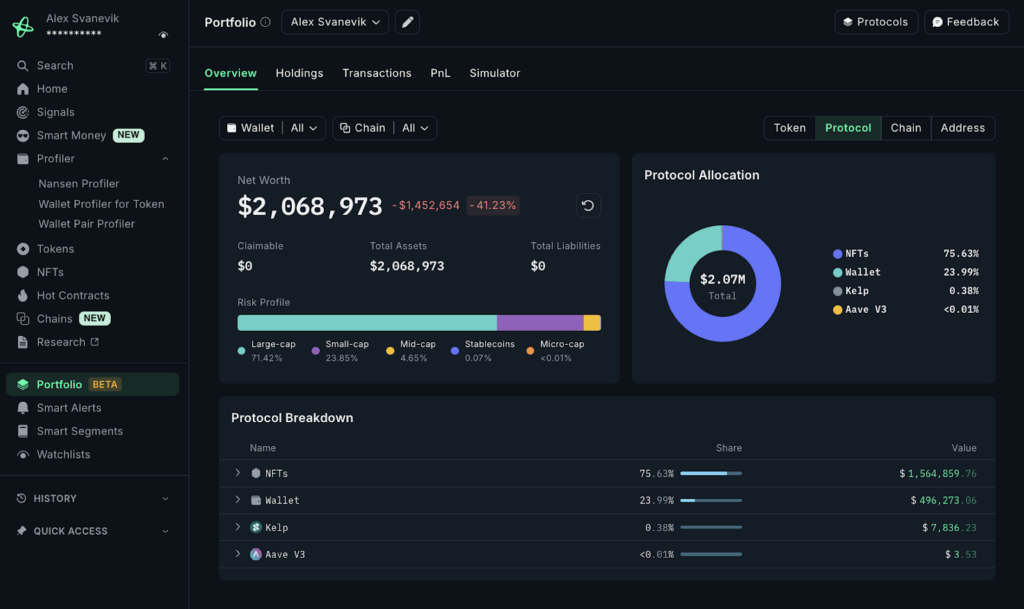
A Simple Beginner Portfolio Approach
If you are starting from zero, you don’t need a complicated setup.
A simple structure could look like this:
- Majority in established cryptocurrencies
- A smaller portion in platform-based projects
- Optional use of stablecoins for flexibility
This type of approach helps balance risk while giving you exposure to different parts of the market.
Mistakes Beginners Should Avoid
Choosing the right cryptocurrencies is not just about what you buy, but also about what you avoid.
Here are the most common mistakes:
- Investing based on hype or social media
- Buying random coins without research
- Trying to get rich quickly
- Spreading investments across too many assets
Avoiding these mistakes is often more important than picking the “perfect” crypto.
How Much Should You Invest?
Another common question is how much to invest.
The safest approach is simple:
only invest what you are comfortable losing
Crypto is still a volatile market. Even strong projects can experience significant price swings.
Starting with smaller amounts allows you to learn without unnecessary stress.
Learning as You Go
One of the best things you can do as a beginner is to treat your first investments as part of your learning process.
Instead of trying to be perfect, focus on:
- Understanding how transactions work
- Learning how wallets function
- Observing how the market behaves
This experience is more valuable than any short-term gain.
Why Less Is Often More
Many beginners believe that holding more cryptocurrencies increases their chances of success.
In reality, it often does the opposite.
Managing too many assets can lead to confusion, poor decisions, and lack of focus.
A smaller, well-understood portfolio is usually more effective.
Final Thoughts
Choosing the best cryptocurrencies in 2026 is not about finding the next big winner. It is about building a solid starting point.
If you focus on simplicity, avoid unnecessary risks, and take the time to learn, you will already be ahead of most beginners.
Crypto is a long-term journey. The decisions you make at the beginning can shape your entire experience.
So take your time, keep things simple, and remember:
understanding what you invest in is more important than chasing quick profits.