
If you have already bought cryptocurrency or are planning to do so, there is one decision that matters more than most people realize: choosing the right wallet.
In 2026, there are dozens of options available, each claiming to be the best. Some focus on security, others on ease of use, and many try to balance both. The problem is that beginners often choose the wrong type of wallet, not because they are careless, but because no one explains the differences clearly.
This guide is not about listing random wallets. It is about helping you understand which wallet actually makes sense for your situation, so you can avoid common mistakes and protect your funds from day one.
What a Crypto Wallet Really Does (And Why It Matters)
Before comparing options, it is important to understand what a wallet actually is.
A crypto wallet does not “store” your coins in the traditional sense. What it stores is your private keys, which give you access to your funds on the blockchain.
This means one simple but critical thing:
whoever controls the keys controls the crypto
That is why choosing the right wallet is not just a technical decision. It is a decision about control, security, and responsibility.
The Two Main Types of Wallets
Every wallet falls into one of these categories, and understanding this will already put you ahead of most beginners.
Custodial Wallets
These are wallets provided by exchanges or platforms. They hold your private keys for you.
They are easy to use and convenient, especially if you are just starting. However, they come with a major downside: you are trusting a third party.
If the platform has issues, you could lose access to your funds.
Non-Custodial Wallets
These wallets give you full control over your private keys.
This is what most experienced users prefer, especially for long-term storage.
The trade-off is responsibility. If you lose your recovery phrase, there is no way to recover your funds.
Hot Wallets vs Cold Wallets
Another important distinction is how wallets connect to the internet.
Hot Wallets
Hot wallets are connected to the internet. They are usually mobile apps or browser-based wallets.
They are perfect for everyday use, small amounts, and quick access.
However, because they are online, they are more exposed to potential attacks.
Cold Wallets
Cold wallets are offline storage solutions, usually in the form of hardware devices.
They are considered the most secure option available because they are not connected to the internet.
This makes them ideal for storing larger amounts or long-term investments.
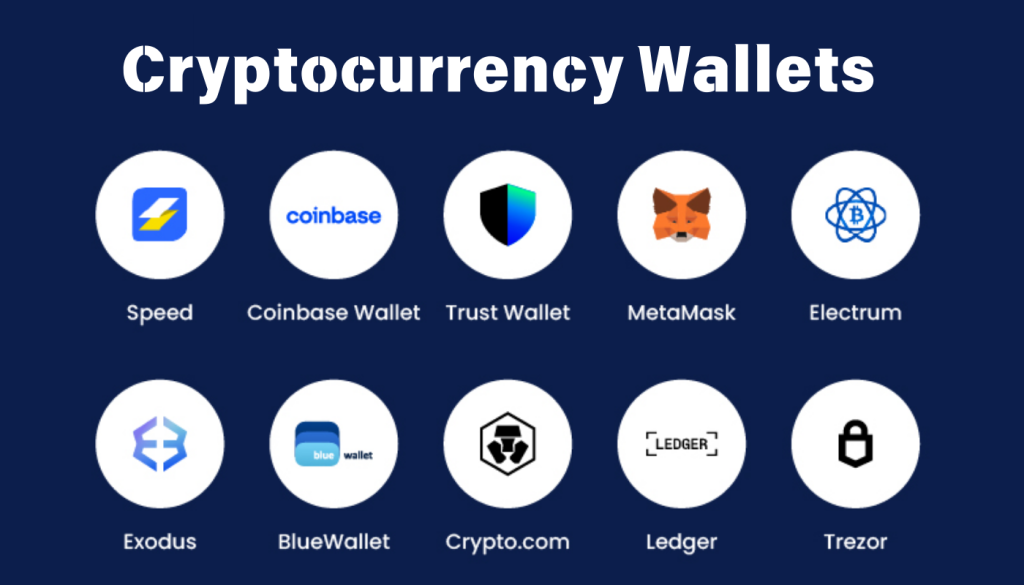
So… Which Wallet Should You Actually Use?
Instead of giving you a random list, here is the honest answer:
There is no single “best” wallet. There is only the best wallet for your situation.
To make it simple:
- If you are a beginner → start with a simple mobile wallet
- If you hold a larger amount → use a hardware wallet
- If you trade frequently → keep a small amount on an exchange
This combination gives you both flexibility and security.
What Makes a Wallet Truly Good
When choosing a wallet, focus on what actually matters instead of marketing claims.
A good wallet should have:
- Strong security features
- A clear and simple interface
- Reliable backup and recovery options
- A solid reputation
Avoid wallets that feel rushed, unclear, or overly complicated. Simplicity is often a sign of good design.
Mistakes People Make When Choosing a Wallet
Many beginners choose wallets based on the wrong criteria.
Some pick the most popular option without understanding it. Others go for the most “advanced” wallet and end up confused.
Here are common mistakes:
- Choosing convenience over security for large amounts
- Not backing up the recovery phrase properly
- Storing everything in one place
- Ignoring updates and security practices
These mistakes are avoidable, and avoiding them is more important than choosing the “perfect” wallet.
A Practical Setup That Works
If you want a setup that balances everything, this is a simple approach:
- Use a mobile wallet for daily use
- Use a hardware wallet for savings
- Keep only small amounts on exchanges
This way, you reduce risk while keeping your funds accessible when needed.
Security Is Not Optional
No matter which wallet you choose, security is always your responsibility.
This includes:
- Protecting your recovery phrase
- Avoiding suspicious links and apps
- Keeping your devices secure
Most losses in crypto do not happen because of bad wallets. They happen because of human error.
Final Thoughts
Choosing a crypto wallet in 2026 is not about finding the most popular option. It is about understanding how wallets work and making a decision that fits your needs.
If you focus on control, security, and simplicity, you will already be ahead of most people entering the space.
Take your time, do not rush the decision, and remember that protecting your crypto is just as important as buying it.