
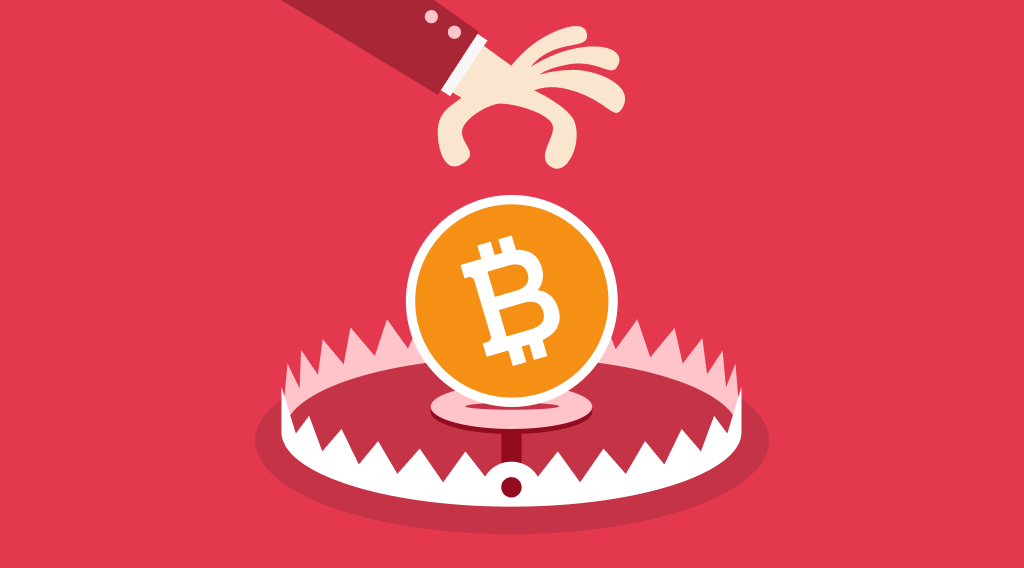
Bitcoin has gone through multiple cycles of hype, rapid growth, and sharp corrections. By 2026, many investors are once again asking the same question: is Bitcoin still a good investment, or has the opportunity already passed?
The answer is not as simple as yes or no. It depends on your perspective, your strategy, and your understanding of how Bitcoin behaves over time.
Understanding Where Bitcoin Stands Today
Bitcoin is no longer a niche experiment. It has evolved into a globally recognized digital asset, attracting interest from individuals, institutions, and even governments.
However, this maturity also changes the nature of the opportunity. The days of turning a small investment into millions overnight are far less common. At the same time, Bitcoin is still relatively early compared to traditional financial systems.
This creates a unique situation where risk and opportunity coexist.
The Risk Side: What You Need to Accept
Before investing in Bitcoin, it is important to understand the risks clearly.
The most obvious one is volatility. Bitcoin’s price can drop significantly in short periods, which can be stressful for new investors. If you are not prepared for this, you may panic and sell at a loss.
Another risk is regulatory uncertainty. Governments around the world continue to develop policies around cryptocurrency, and these decisions can influence market behavior.
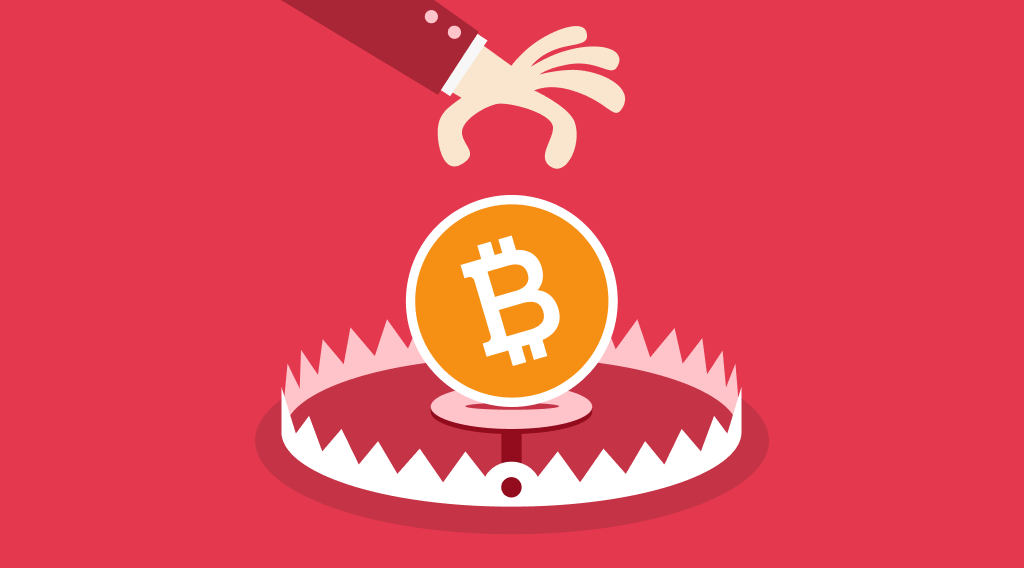
There is also the risk of personal mistakes, such as poor security or falling for scams. Unlike traditional finance, Bitcoin puts full responsibility on the user.
The Opportunity: Why Investors Still Care
Despite these risks, Bitcoin continues to attract attention for several reasons.
First, it has a fixed supply, which makes it fundamentally different from traditional currencies. This scarcity is one of the main reasons why many people see it as a long-term store of value.
Second, Bitcoin operates without central control. This decentralization makes it resistant to censorship and manipulation, which is increasingly relevant in a digital world.
Third, adoption continues to grow. More platforms, services, and users are integrating Bitcoin into everyday financial activity.
These factors suggest that Bitcoin is not just a speculative asset, but part of a broader shift in how money works.
Timing the Market vs. Time in the Market
One of the biggest mistakes investors make is trying to find the perfect entry point.
In reality, predicting short-term price movements is extremely difficult. Even experienced investors often get it wrong.
A more effective approach is focusing on time in the market rather than timing the market. This means investing gradually and holding over the long term.
Strategies like Dollar-Cost Averaging help reduce the impact of volatility and remove emotional decision-making.
Who Should Consider Investing in Bitcoin?
Bitcoin is not for everyone, and it is important to be honest about your own situation.
It may be suitable if:
- You are willing to hold for the long term
- You understand and accept volatility
- You are interested in learning about new financial systems
It may not be suitable if:
- You are looking for quick profits
- You cannot tolerate price fluctuations
- You prefer fully regulated and stable assets
A Balanced Approach
The most reasonable way to approach Bitcoin in 2026 is with balance.
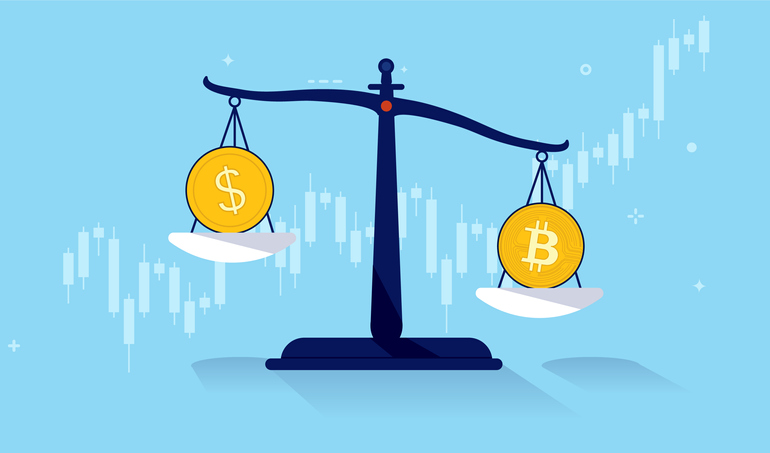
Instead of going all in, many investors choose to allocate a small percentage of their portfolio to Bitcoin. This allows them to benefit from potential growth while managing risk.
Diversification remains important, even in the crypto space.
Final Thoughts
Bitcoin in 2026 is neither a guaranteed success nor a missed opportunity. It is an evolving asset with both risks and potential.
The key is not trying to predict the future perfectly, but building a strategy that you can maintain over time.
If you approach Bitcoin with patience, discipline, and a willingness to learn, it can still play a meaningful role in your financial journey.