

Bitcoin’s decentralized and borderless nature makes it particularly attractive in emerging markets, where financial infrastructure can be limited, inflation may be high, and access to traditional banking is constrained. Across Latin America, Africa, and Southeast Asia, Bitcoin adoption is growing rapidly, offering both economic empowerment and new challenges for regulators, investors, and consumers alike. Understanding the dynamics of adoption in these markets is critical for anyone looking to grasp Bitcoin’s global potential and the future of digital finance.
Unlike developed economies with mature financial systems, emerging markets often face systemic challenges that make Bitcoin uniquely valuable. Its ability to transfer value instantly, store wealth, and circumvent local currency devaluation positions it as both a practical and strategic asset for individuals, businesses, and governments.
Furthermore, Bitcoin adoption often integrates with local fintech ecosystems, including mobile wallets, remittance platforms, and digital marketplaces. Startups in these regions are innovating rapidly, leveraging Bitcoin to expand financial services to the underserved, build peer-to-peer commerce solutions, and even facilitate micropayments in local economies. These innovations strengthen the case for Bitcoin as a functional, everyday tool rather than only a speculative asset.
Why Bitcoin Appeals in Emerging Markets
Several factors drive Bitcoin adoption in regions with limited financial infrastructure:
- Hedge Against Inflation
Countries experiencing high inflation or currency devaluation see Bitcoin as a way to preserve purchasing power. Citizens increasingly turn to Bitcoin to protect savings from rapid fiat currency depreciation. - Access to Financial Services
Millions of people in emerging markets are unbanked or underbanked. Bitcoin provides an accessible, global financial system, allowing users to transact and save without traditional banks, often directly through smartphones and mobile money platforms. - Remittances and Cross-Border Transfers
High-cost remittance services can be bypassed using Bitcoin, reducing fees and speeding up international money transfers, which is especially valuable for migrant workers sending funds home. - Financial Sovereignty
Bitcoin allows individuals to maintain control over their wealth independently of centralized authorities, which is especially appealing in politically or economically unstable environments.
Examples of Emerging Market Adoption
Latin America
Countries like Venezuela, Argentina, and Brazil have seen substantial Bitcoin usage. In Venezuela, hyperinflation drove citizens to use Bitcoin for everyday transactions, online purchases, and peer-to-peer exchanges. Argentina has a strong culture of crypto savings as citizens hedge against local currency depreciation, while Brazil sees growing adoption among tech-savvy millennials and small businesses.
Africa
Nigeria, Kenya, and South Africa are leading in African adoption. Peer-to-peer trading platforms thrive as citizens use Bitcoin for remittances, online commerce, and wealth storage. Mobile money integration further amplifies Bitcoin’s utility, allowing users to bridge local currency systems and global financial networks seamlessly.
Southeast Asia
The Philippines, Vietnam, and Indonesia demonstrate strong remittance-driven adoption. Bitcoin serves as both an investment vehicle and a tool for cross-border payments, especially in areas with limited access to traditional banking infrastructure. Local fintech startups are integrating Bitcoin into digital wallets, e-commerce platforms, and micropayment services, increasing practical utility.
Challenges to Adoption
Despite its potential, several challenges exist:
- Regulatory Uncertainty
Many emerging markets have unclear or evolving crypto regulations, creating risk for businesses and individual users. Sudden bans or restrictive policies can disrupt adoption. - Volatility
Bitcoin’s price fluctuations pose risks to citizens using it for daily transactions or savings. While long-term holders benefit, short-term users may face uncertainty. - Infrastructure Limitations
Limited internet access, mobile connectivity, and digital literacy can hinder adoption. Effective onboarding requires educational initiatives and accessible wallets. - Security Risks
Digital wallets and exchanges can be targets for fraud or hacking, highlighting the need for secure custody solutions and public awareness campaigns.
Overcoming these challenges is essential for sustainable adoption and market growth. Collaborative efforts between governments, fintech startups, and global investors can accelerate adoption while mitigating risks.
Economic Opportunities
Bitcoin adoption opens numerous opportunities for emerging markets:
- Entrepreneurship: Merchants and startups can leverage Bitcoin for e-commerce and cross-border transactions.
- Financial Inclusion: Unbanked populations gain access to global financial networks.
- Investment: Citizens can store wealth outside unstable local currencies, diversifying portfolios and hedging risk.
Countries that embrace Bitcoin-friendly policies may attract foreign investment, technology infrastructure, and fintech innovation, driving economic growth, digital literacy, and technological advancement. Integration with local commerce and mobile platforms strengthens Bitcoin’s role as a practical financial tool rather than a purely speculative asset.
Strategies for Facilitating Adoption
- Regulatory Clarity
Governments can provide frameworks that protect consumers, prevent illicit activity, and encourage innovation. Clear regulations increase trust and institutional participation. - Education and Awareness
Public education campaigns help users understand security practices, transaction methods, and risks, promoting responsible adoption. - Integration with Mobile Platforms
Many emerging markets rely heavily on smartphones. Wallets and payment systems optimized for mobile use can significantly boost adoption rates. - Partnerships with Local Businesses
Merchant adoption programs create practical use cases, increasing daily Bitcoin usage and network effects within communities.
The Role of Remittances
Remittances are a major driver of Bitcoin adoption in emerging markets:
- Lower Costs: Traditional remittance services often charge high fees; Bitcoin reduces costs significantly.
- Faster Transfers: International transfers are nearly instant compared to traditional banking methods.
- Access to Funds: Bitcoin enables access for unbanked recipients, bypassing financial institutions.
In countries where remittances form a significant portion of GDP, Bitcoin provides both economic relief and empowerment for millions of households. Integration with fintech startups further streamlines transfers and supports local business payments.
Long-Term Growth Potential
The potential for Bitcoin adoption in emerging markets is substantial:
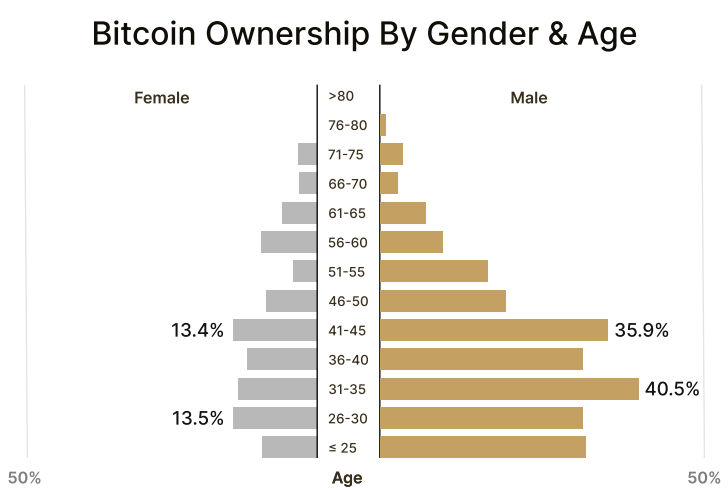
- Youth Demographics: Younger populations with digital literacy are more likely to adopt cryptocurrencies.
- Economic Instability: In regions facing inflation, political unrest, or currency volatility, Bitcoin adoption may continue to accelerate.
- Technological Expansion: Increased internet penetration and mobile wallet adoption facilitate Bitcoin usage for both payments and investment.
As awareness and infrastructure grow, Bitcoin could become a mainstream financial tool across these regions, complementing traditional banking and expanding economic opportunity. Local entrepreneurs and startups will likely drive innovation that spreads globally.
Final Thoughts
Bitcoin adoption in emerging markets is more than a speculative trend; it represents financial empowerment, inclusion, and global integration. While challenges remain, the combination of scarcity, borderless accessibility, and peer-to-peer utility positions Bitcoin as a uniquely valuable asset for regions with limited financial infrastructure.
By embracing supportive regulations, education initiatives, and mobile-friendly technology, emerging markets can unlock the full potential of Bitcoin. For individuals, Bitcoin provides an alternative to unstable local currencies, access to global financial networks, and opportunities for entrepreneurship and wealth preservation.
In the coming years, emerging markets may become the global leaders in Bitcoin adoption, demonstrating its practical value as a currency, store of wealth, and tool for economic inclusion. Integration with local fintech ecosystems, remittance platforms, and mobile commerce will reinforce Bitcoin’s role as a resilient, decentralized financial system, capable of transforming economies and fostering new opportunities for millions of people worldwide.