
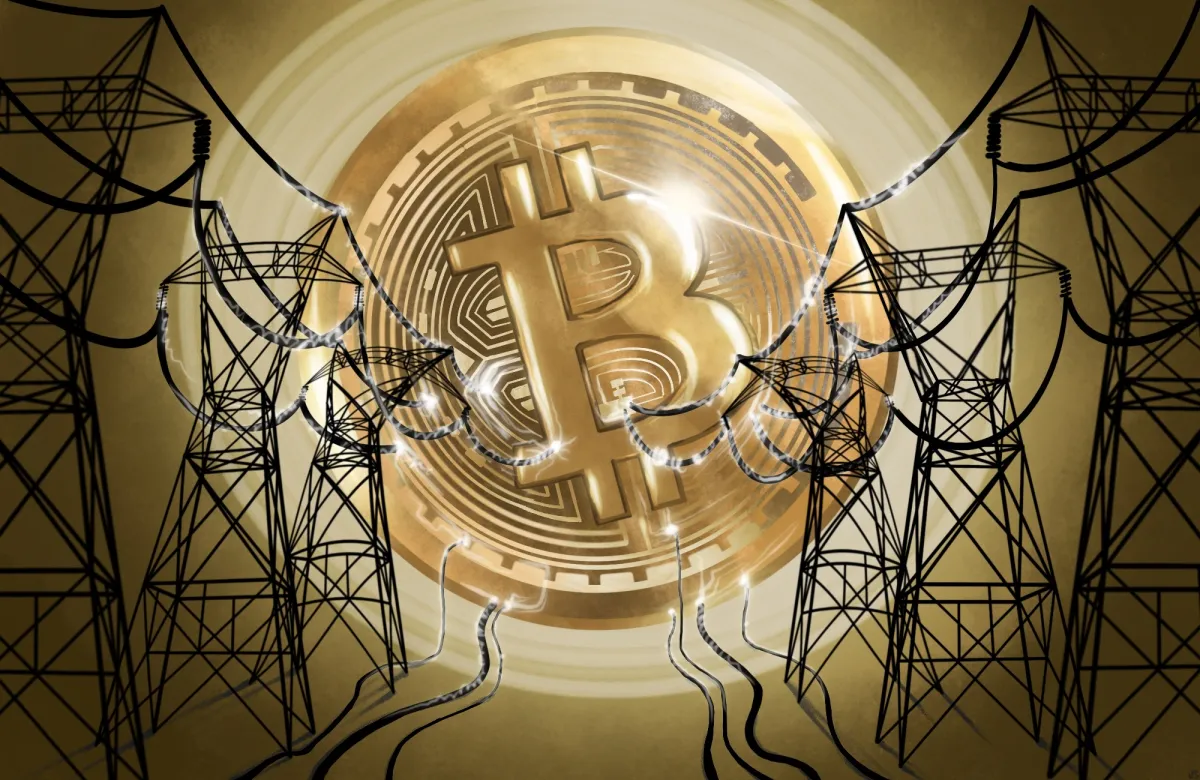
Bitcoin has often been criticized for its energy consumption, with headlines claiming that the network uses as much electricity as entire countries. While it is true that Bitcoin’s proof-of-work (PoW) mining mechanism requires significant computational power, understanding the context, benefits, and innovations in energy usage is critical for a balanced perspective.
This article explores Bitcoin’s energy consumption, how it compares to traditional financial systems, innovations in renewable mining, and the long-term implications for sustainability and adoption. For investors and enthusiasts alike, understanding Bitcoin’s energy dynamics is essential to separating myths from reality and assessing its long-term viability.
How Bitcoin Mining Works
Bitcoin mining is the process of validating transactions and securing the network. Miners solve complex mathematical problems to add new blocks to the blockchain, receiving newly minted Bitcoin as a reward. This process, known as proof-of-work, consumes energy because of the computational intensity required to solve these problems.
- Mining ensures network security, preventing double-spending and tampering.
- The energy-intensive nature is what makes attacks economically unfeasible, contributing to Bitcoin’s robustness.
- Miners compete globally, incentivized to use the most efficient and cost-effective electricity available.
While energy consumption is high, it is a feature, not a bug, of Bitcoin’s security model.
Energy Consumption in Context
Bitcoin’s energy use is often cited in isolation, but it is important to compare it to existing systems:
- Traditional Banking: Banks, ATMs, data centers, and payment networks consume enormous amounts of energy to operate daily. Bitcoin replaces intermediaries and provides decentralized validation, potentially reducing systemic energy usage in the long term.
- Gold Mining: Gold extraction, refinement, and storage also require massive energy inputs. Bitcoin mining, in contrast, provides verifiable scarcity with a purely digital footprint.
- Global Perspective: Bitcoin’s energy consumption is a fraction of global energy usage, and much of its power comes from renewable or stranded energy sources.
These comparisons contextualize Bitcoin’s energy use and highlight its role as a digital alternative to physical systems that also require energy.

Renewable Energy and Mining Efficiency
Contrary to popular belief, a significant portion of Bitcoin mining is powered by renewable or low-cost energy:
- Hydropower: Regions with abundant hydroelectric capacity, such as parts of China (historically) and Canada, host large mining operations.
- Stranded Energy: Bitcoin mining can utilize otherwise wasted energy from natural gas flaring or remote renewable sources.
- Efficiency Innovations: Modern ASIC miners are increasingly energy-efficient, producing more hash power per kilowatt-hour consumed.
These developments demonstrate that Bitcoin mining can evolve toward a more sustainable and environmentally conscious model over time.
Criticism and Misconceptions
Critics often highlight Bitcoin’s carbon footprint without considering context:
- Bitcoin vs. Fiat: Traditional fiat systems rely on physical infrastructure, security, and banking operations that consume energy indirectly, often without public awareness.
- Network Security Trade-Off: The energy consumed by mining is what ensures that the network is decentralized, censorship-resistant, and trustless. Without this energy expenditure, the network would be vulnerable to attacks.
- Temporal and Geographic Distribution: Bitcoin mining does not operate continuously in one location; it shifts geographically based on energy costs and availability, often aligning with periods of renewable surplus.
Understanding these nuances is crucial for informed discussion on Bitcoin’s environmental impact.
Macro Implications of Energy Use
Bitcoin’s energy consumption also has broader implications:
- Decentralization Incentives: Mining relies on cheap energy, encouraging geographic diversity and economic incentives for using local renewable resources.
- Energy Market Integration: Miners often act as flexible energy consumers, absorbing excess supply and stabilizing grids.
- Innovation Catalyst: Bitcoin incentivizes the development of energy-efficient mining hardware and renewable energy solutions.
By linking digital infrastructure to real-world energy markets, Bitcoin is driving innovations with potential benefits beyond crypto alone.
Future Trends in Sustainable Mining
Several trends suggest that Bitcoin mining will become increasingly sustainable:
- Transition to Renewables: Mining companies are expanding operations in regions with abundant solar, wind, and hydroelectric power.
- Carbon Offsets and ESG Initiatives: Some mining firms purchase carbon credits to neutralize their footprint and improve public perception.
- Technological Advances: Next-generation mining rigs consume less energy per unit of hash power, enhancing efficiency.
- Integration with Grid Management: Mining operations can absorb excess electricity from renewable grids, reducing waste and stabilizing supply-demand balance.
These trends indicate that energy criticism is not static and that Bitcoin can evolve toward a greener future.
Strategic Takeaways for Investors
Understanding Bitcoin’s energy footprint informs long-term investment strategy:
- Risk Awareness: Negative media coverage on energy usage can create short-term price volatility.
- Positive Narratives: Adoption of renewable mining and efficiency innovations can improve sentiment and regulatory positioning.
- Macro Alignment: Investors can align with firms using renewable or efficient mining operations, signaling sustainability to stakeholders.
- Long-Term Value: Energy consumption secures the network, underpinning the very scarcity and trust that drive Bitcoin’s value.
Investors who grasp these dynamics are better prepared to contextualize news cycles and market reactions.
Conclusion
Bitcoin’s energy consumption is often misunderstood. While proof-of-work mining requires substantial power, it is what ensures the network’s security, decentralization, and trustlessness. Compared to traditional financial systems and gold mining, Bitcoin’s energy use is significant but justified, particularly as renewable energy and efficiency innovations increase.
Rather than viewing energy consumption as a purely negative factor, it can be reframed as a driver of technological innovation, renewable energy adoption, and long-term network security.
In essence, Bitcoin is not just a financial revolution—it is an energy-aware, incentive-driven network that aligns digital security with global energy resources. Investors, policymakers, and the public benefit from understanding the nuance behind headlines and recognizing Bitcoin’s potential for sustainable evolution in a digital economy.